You triple-check the envelope, add the stamp and drop it in the mailbox before the deadline. Done and done, right?
That’s what most people assume. It makes sense that if you mail something on time, it’s considered sent on time. But here’s the catch: Your mail isn’t postmarked when you put it in the mailbox. It’s postmarked when it’s processed at a postal facility. And that misunderstanding could cost you in a big way.
A subtle but important shift in how the United States Postal Service (USPS) handles mail processing means your postmark date may not be what you think it is. And yes, that could cause you to miss critical deadlines for mail that needs to be postmarked by a certain date, all without even realizing it.
Here’s what’s going on and, most critically, how to make sure your important mail isn’t marked as late.
Get Reader’s Digest’s Read Up newsletter for more life tips, cleaning, humor, travel, tech and fun facts all week long.
Did the U.S. Postal Service update how postmarks work?

Not exactly. The U.S. Postal Service says it hasn’t changed the rules of postmarking. Officially, a postmark still reflects the date the Postal Service accepts and processes your mail—not the moment you drop it in a blue collection box. So what’s different?
In recent years, the Postal Service has made operational changes to improve efficiency, including consolidating processing centers and adjusting collection and transportation schedules. That means mail often travels farther before it’s sorted—and that can delay when it actually gets postmarked.
Before, mail was more likely to be processed locally and quickly, often the same day. Now, mail may sit longer between pickup and processing or get routed through regional facilities, delaying the official postmark. Plus, collection times in many areas have shifted to earlier in the day. All of this means that even if you drop off a letter on, say, April 15, it might not be processed—and therefore postmarked—until April 16 or later.
Why does this matter?
It matters because for many important documents, like tax returns, mail-in ballots, legal documents, court filings, rebate forms, insurance paperwork and bill payments, the postmark date is everything.
If you can’t reliably predict when your mail will be postmarked, that creates real risk. Imagine you mail your tax return by the deadline, assuming you’re safe. But if it isn’t processed until the next day, it could be considered late—potentially triggering penalties.
Or take mail-in voting: You might send your ballot well ahead of Election Day, but if there’s a delay in processing, your vote could be disqualified for missing the required postmark date—and you may never know.
Even something as simple as a routine bill payment could incur late fees if the postmark doesn’t match your expectations.
So what can you do to ensure your mail is postmarked by the deadline?
If a deadline truly matters, don’t leave it to chance. Here are the smartest ways to protect yourself:
- Go to the post office in person. Ask a clerk to hand-cancel (manually postmark) your envelope. This ensures it’s stamped with that day’s date on the spot.
- Use certified mail. Certified mail is a U.S. Postal Service offering that provides proof of mailing and tracking, giving you documentation if timing is ever questioned.
- Mail earlier than you think you need to. Build in a buffer of several days—especially around weekends, holidays or busy seasons like tax time.
- Check collection times carefully. Check the “last collection” date listed on the front of the blue collection boxes. Mail dropped after the last pickup of the day won’t begin processing until the next business day.
- Consider digital options. You can file taxes online, pay bills electronically and submit forms via secure digital portals these days, all of which ensure that your important documents get to where they need to go instantly.
- Vote in person or drop off ballots directly. If you are physically able, dropping off your ballot (if allowed) or voting in person removes uncertainty. In many states, mailed ballots have a grace period to allow votes to come in after Election Day. But in March 2026, the Supreme Court heard arguments in a case that could tighten the rules around these grace periods, if not eliminate them completely.
The bottom line: Dropping a letter in the mailbox by the deadline no longer guarantees it will be postmarked on time. And when deadlines matter, that distinction can make all the difference. A little extra planning now can save you from missed deadlines—and major headaches—later.
RELATED:
- Amazon Is Making Delivery Even Better for Millions of Customers—Here’s Who Will Benefit
- What’s Going on with TSA PreCheck and Global Entry? Here’s What You Need to Know Before You Fly
- Here’s How Much of a $100K Salary You’ll Really Have Left After Taxes in Each State
Why trust us
At Reader’s Digest, we’re committed to producing high-quality content by writers with expertise and experience in their field in consultation with relevant, qualified experts. We rely on reputable primary sources, including government and professional organizations and academic institutions as well as our writers’ personal experiences where appropriate. We verify all facts and data, back them with credible sourcing and revisit them over time to ensure they remain accurate and up to date. Read more about our team, our contributors and our editorial policies.
Sources:
- USPS: “Postmarking Myths and Facts”
- The Guardian: “US supreme court appears poised to limit mail-in ballots ahead of midterms”

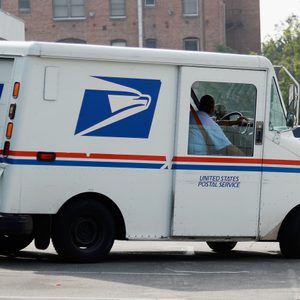

The post Mailing Your Taxes? This USPS Change Might Make You Accidentally Miss Your Deadline (Yikes!) appeared first on Reader's Digest.
from Reader's Digest https://ift.tt/GMlyIBe
Comments
Post a Comment